
NBIS experts push for Open Science
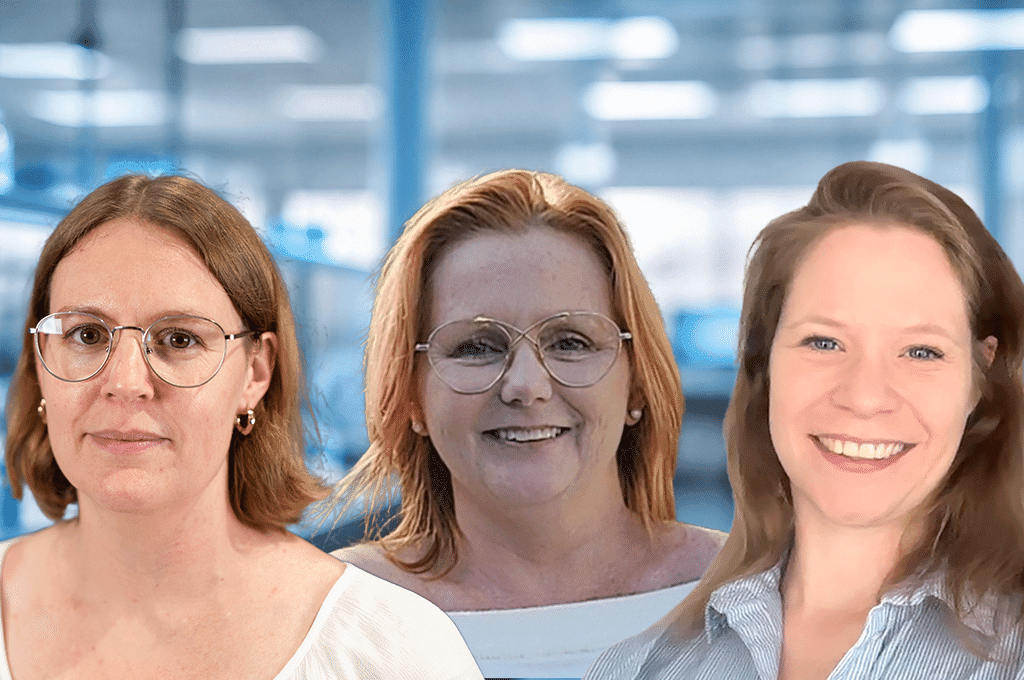
Ten years after Sweden set national goals for Open Science, the country is unlikely to reach the 2026 target for open research data. Jessica Lindvall, Deputy Head of Node ELIXIR-SE/NBIS and Elin Kronander, Head of Unit, Data Management and Head of Training at NBIS, has co-authored a paper showing where Sweden are today in 2026 (1) in addition to publishing a follow-up opinion piece (2) in the Swedish magazine Tidningen Curie together with experts from Stockholm University, Uppsala University and the Swedish National Data Service (SND). The paper analyses the progress Sweden is doing in terms of transitioning to Open Science. And the opinion piece argues what more should be done.
The authors' message is that Sweden does not lack ambition. Strategies and policies exist, but they have not yet changed everyday research. By 2025, only 35 percent of higher education institutions reported having implemented data management plans for research projects (*). Making data FAIR means making it Findable, Accessible, Interoperable and Reusable, and that takes more than a plan on paper. Responsibility for implementation is typically spread across university libraries, IT services, research offices and faculties, with limited overarching coordination. The authors also point out that Open Science is part of European research policy, and researchers in Sweden risk falling behind if Sweden does not keep pace.
As the National Bioinformatics Research Infrastructure of Sweden (NBIS), data stewards at NBIS/SciLifeLab support researchers and their data throughout the full data life cycle. This includes how to:
- write Data Management Plans (DMPs),
- make the Data FAIR,
- support the data’s way throughout the data life cycle.
In addition to the data management team, NBIS bioinformatics experts aim to work in a reproducible manner, meaning that analyses should be captured and documented so that the data can be re-analysed with the same results and new researchers can re-apply the analysis steps. "Policies and data management plans are important first steps, but they don't make data FAIR on their own. Researchers need hands-on support, training and time, and that requires dedicated long-term resources," says Elin Kronander. Jessica Lindvall adds: "At NBIS we are able to turn policy into practice by offering the support, training and digital services for the research community, so that sharing and reuse of data becomes part of the normal workflow. As a national Research Infrastructure we sit close to the researchers that generate and like to have their data analysed. That is where Open Science either works or doesn't."
For more information:
- Striving for Open Science compliance in Sweden: https://doi.org/10.7557/11.8391
- Opinion piece in Tidningen Curie: https://www.tidningencurie.se/debatt/tio-ar-av-loften-om-oppen-vetenskap---nar-ska-sverige-leverera
- SciLifeLab news item: https://www.scilifelab.se/news/three-scilifelab-experts-call-for-national-action-on-open-science-in-curie/ (*) Anderberg et al. (2026), Nordic Perspectives on Open Science, https://doi.org/10.7557/11.8391